


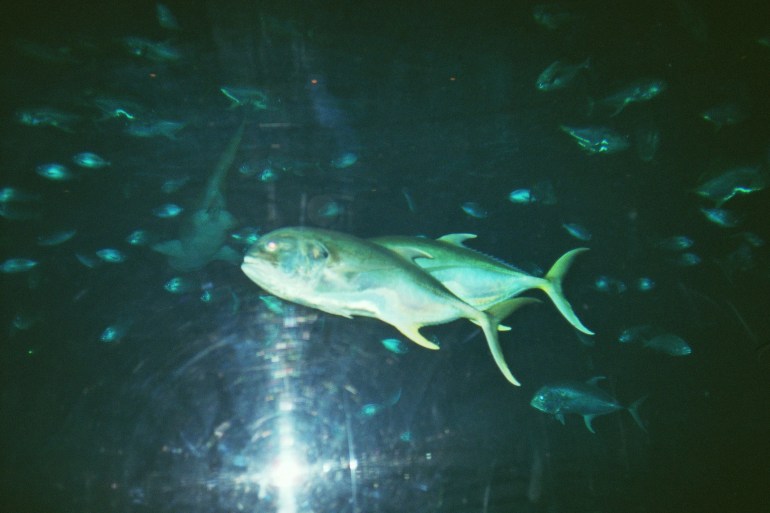
and his fantasias

My photo of the year.
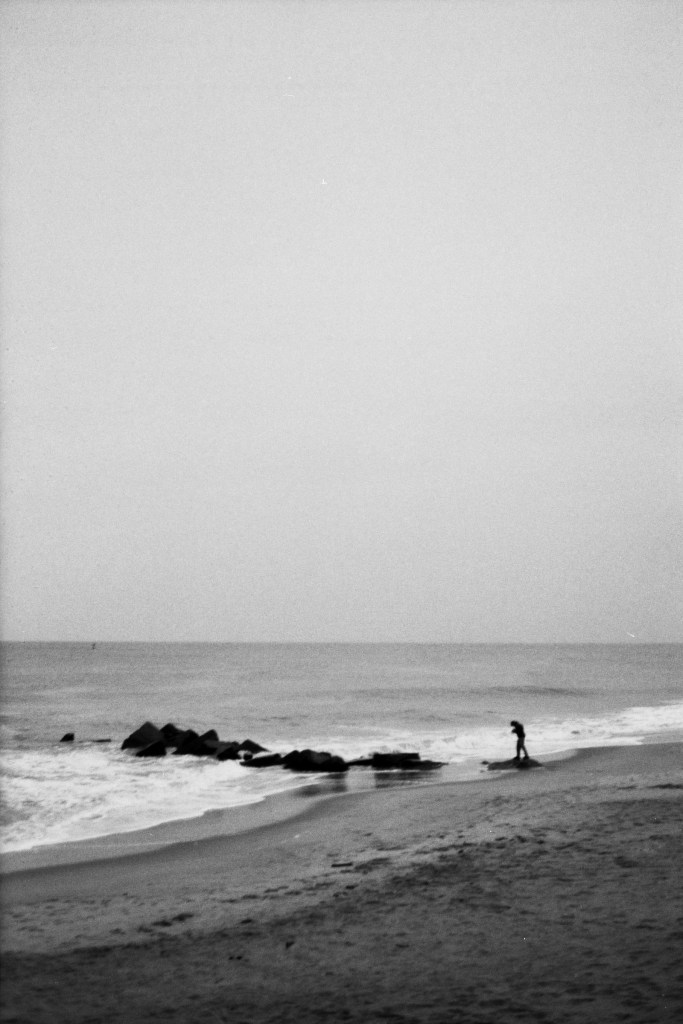
Featuring a Hasselblad landscape photographer capturing the rocks on the shore of Coney Island.

Some photos I took during the fall break visiting University of Illinois at Urbana-Champaign.
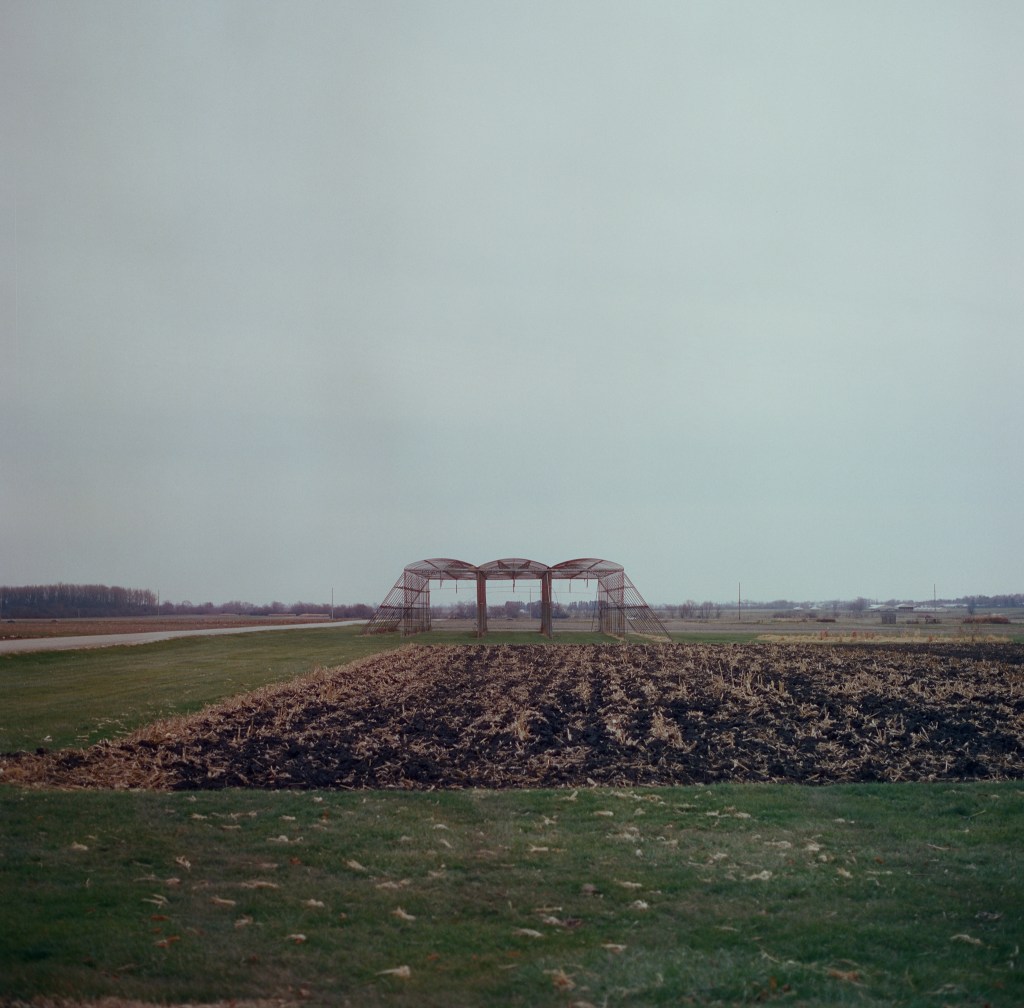
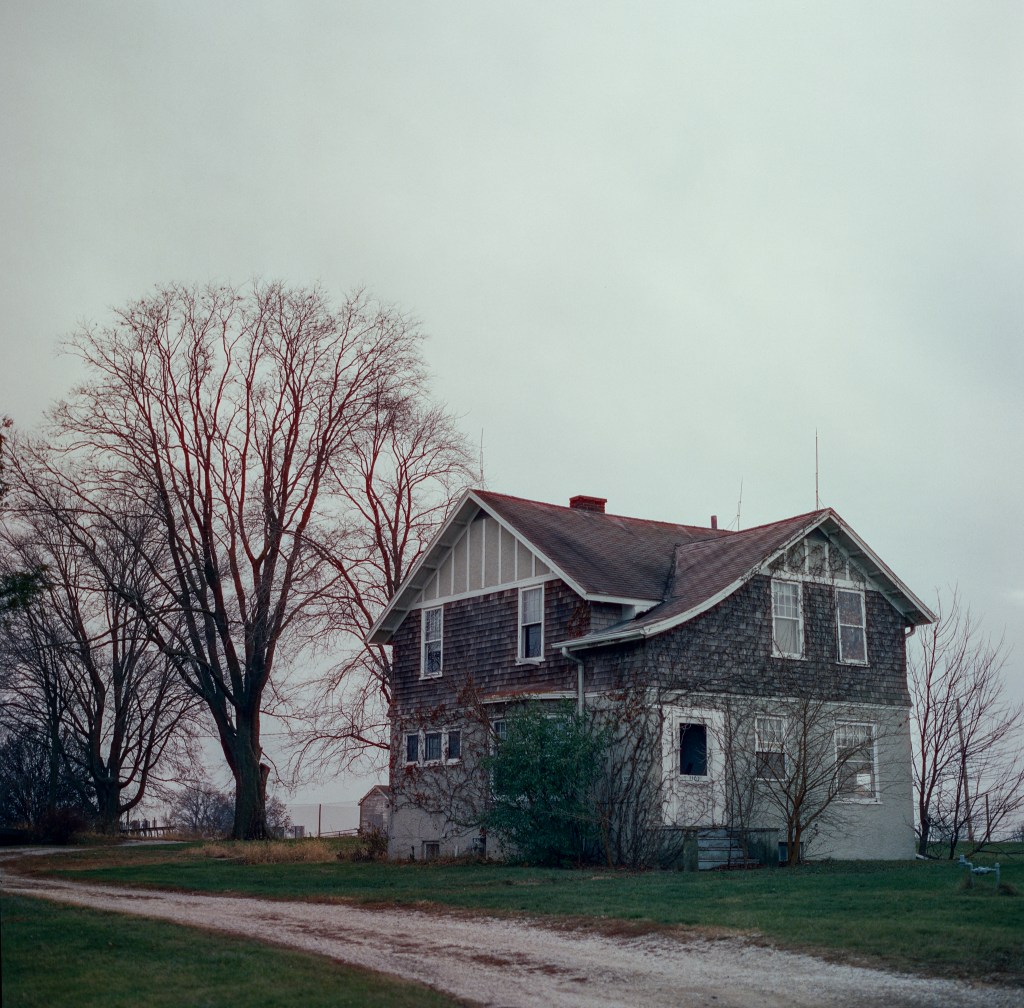



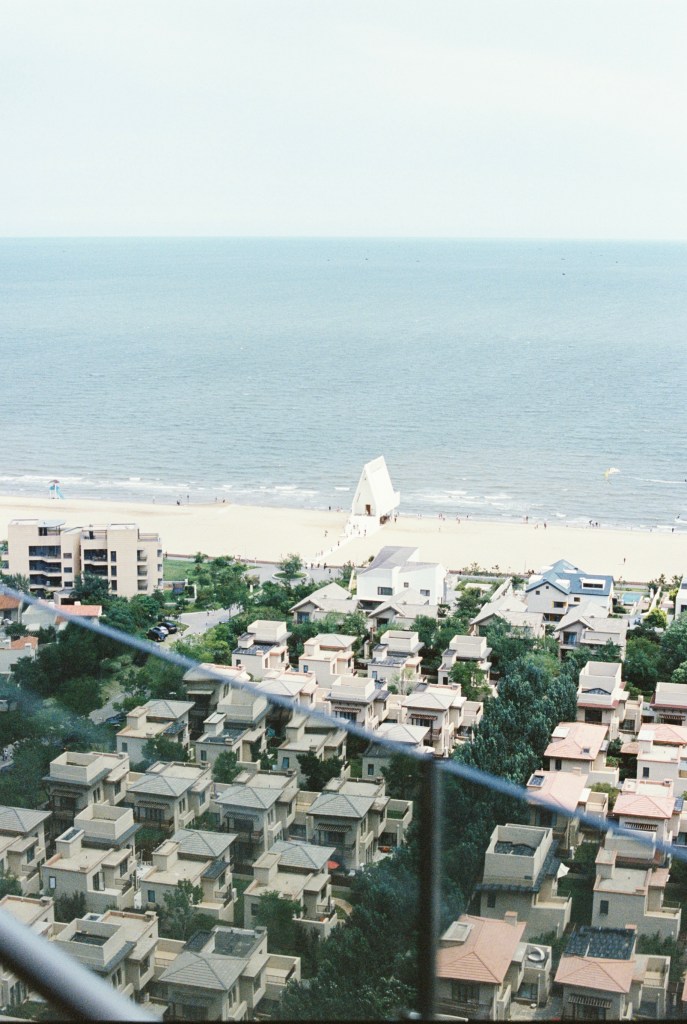


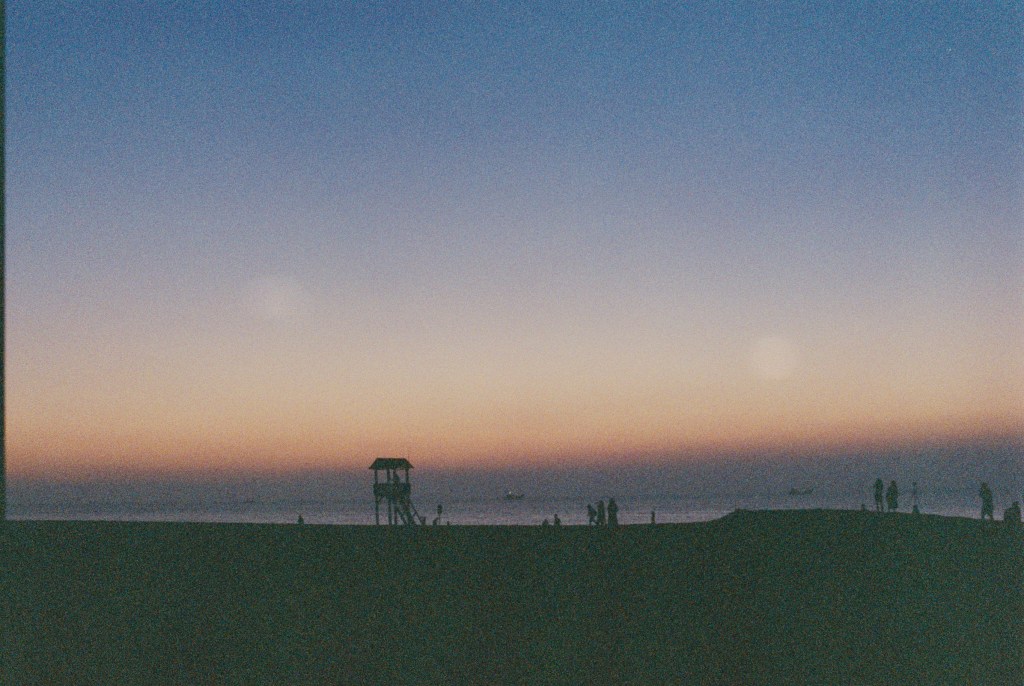

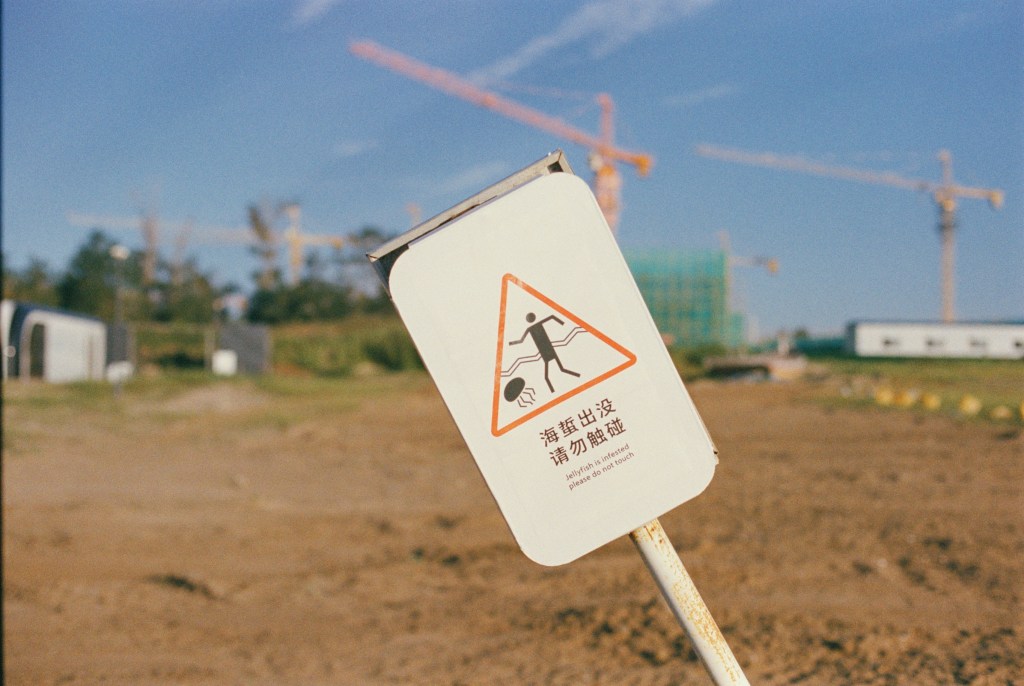

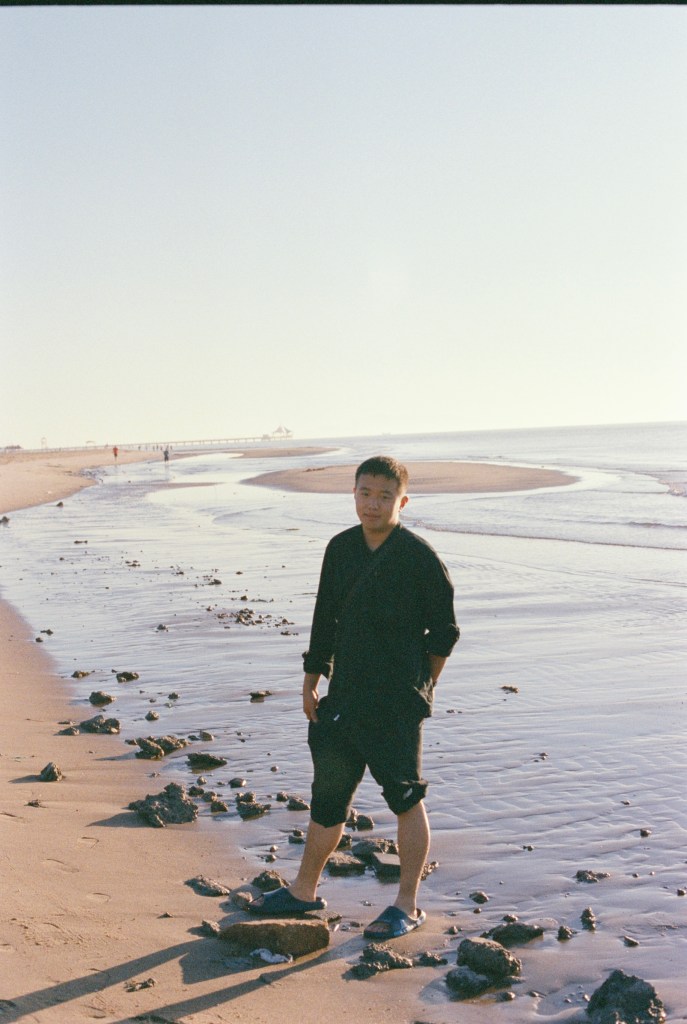

Selections from 离场 · 缺席 Absence Epilogue, a photography exhibition jointly organized by Mark Zhang and Jerry Wu.
For exhibition info, please visit https://mp.weixin.qq.com/s/NKhiSQz8S5SKFaT-reQqCA.

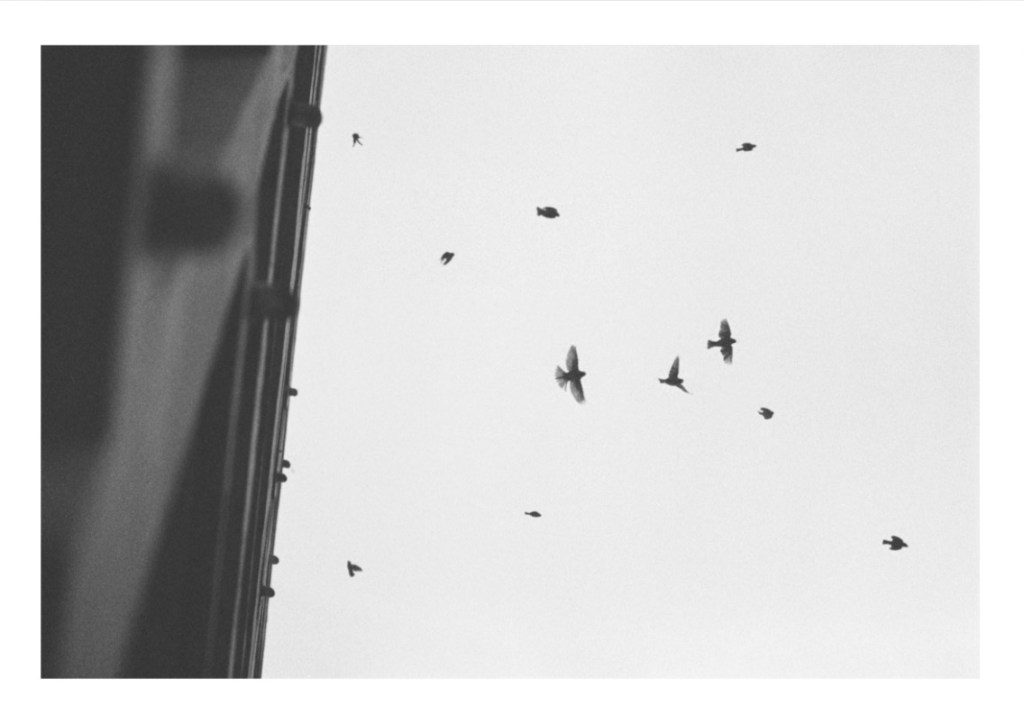
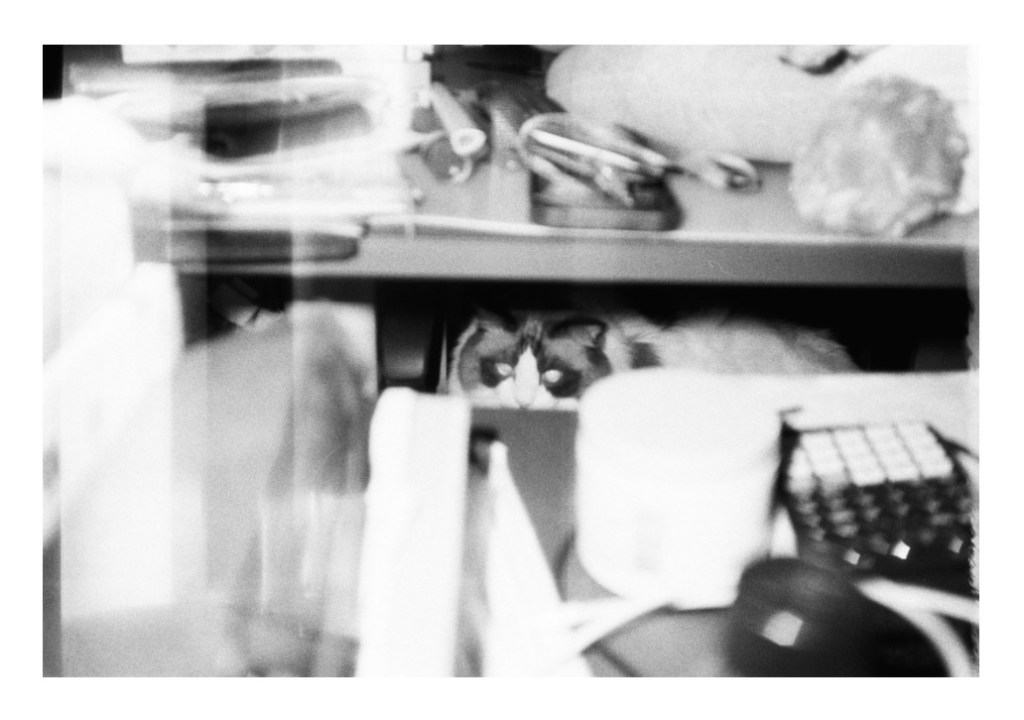
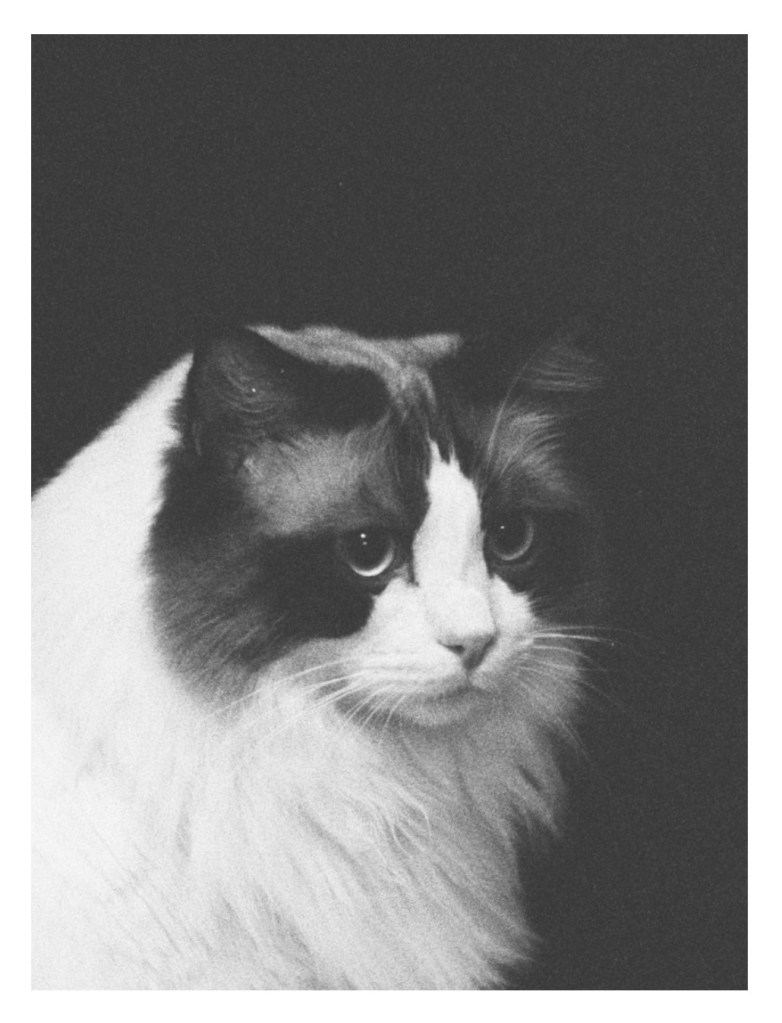


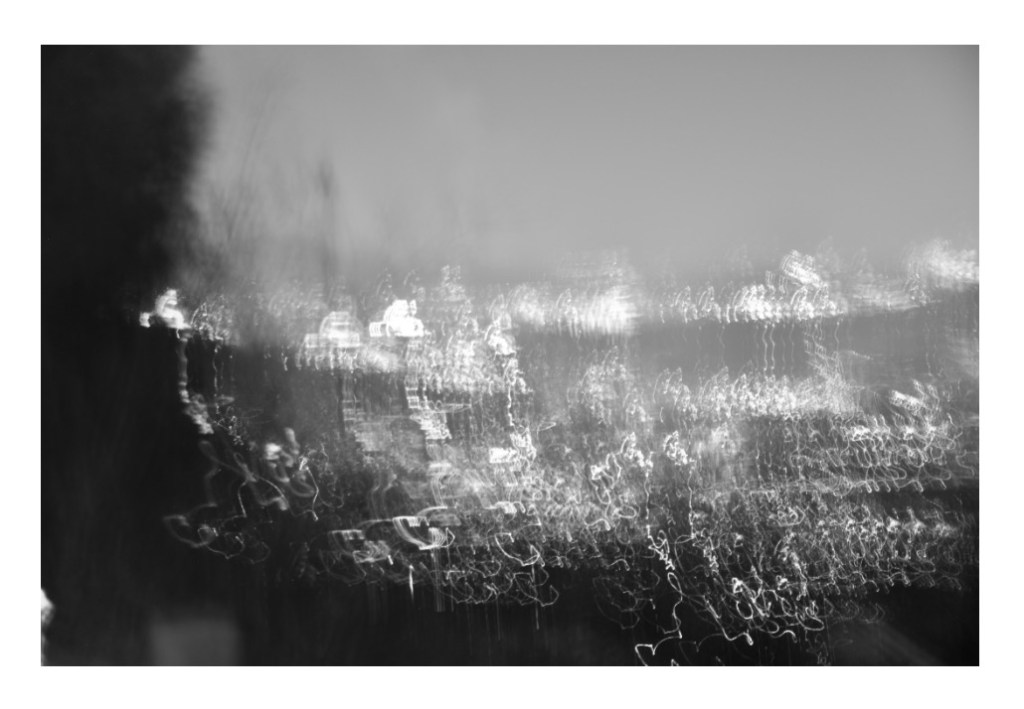

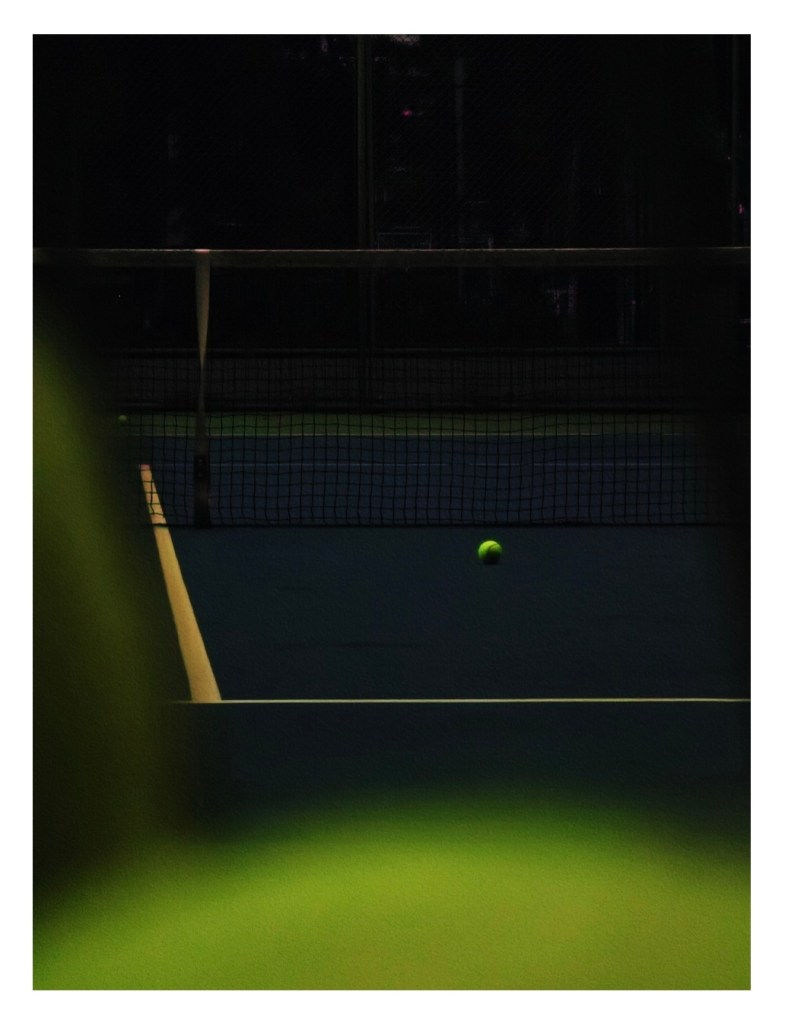

An experimental short film project that I recently wrote, directed, acted, produced, and edited.
Considered one of the strong entries in the 17th Film Festival of RDFZ (High School Affiliated to Renmin University of China), the film, however, was later banned for the violent elements.
“The color of blood must be green, and the knife should be replaced by a ruler”, said one core member of the jury.
I’m so honored to have the chance to work with my classmates with special talents in their individual fields. And again, special thanks to Mark Zhang, Michale Cao, and all who give a helping hand to our production.
Now the film has been successfully uploaded to Youtube and Bilibili. Click the Bilibili link below if Youtube is unavailable in your region. https://b23.tv/w7uxFf8

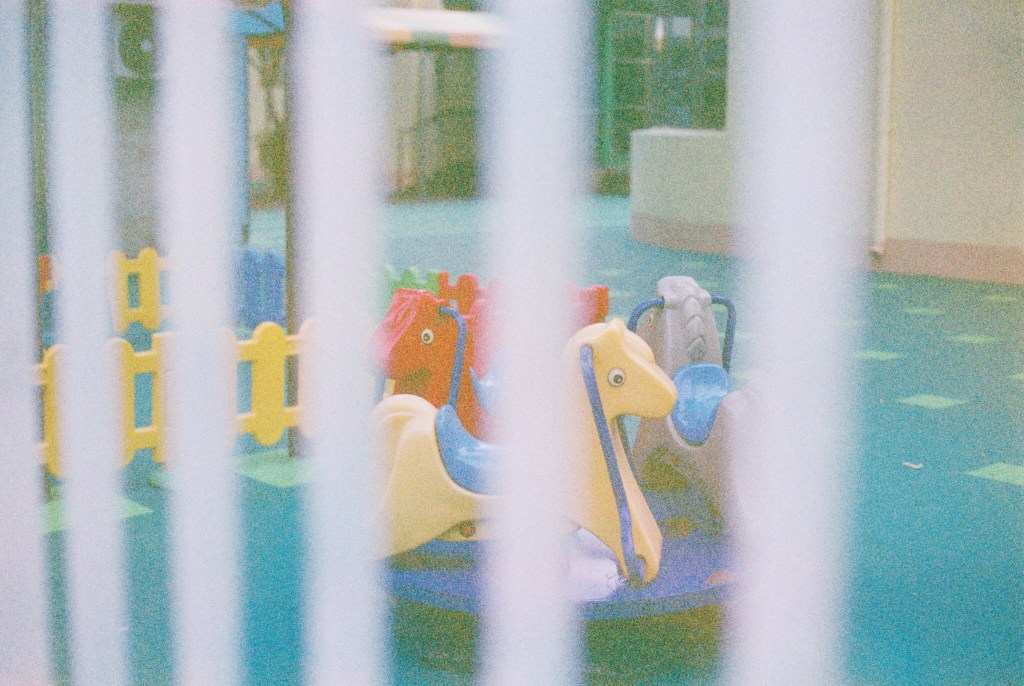
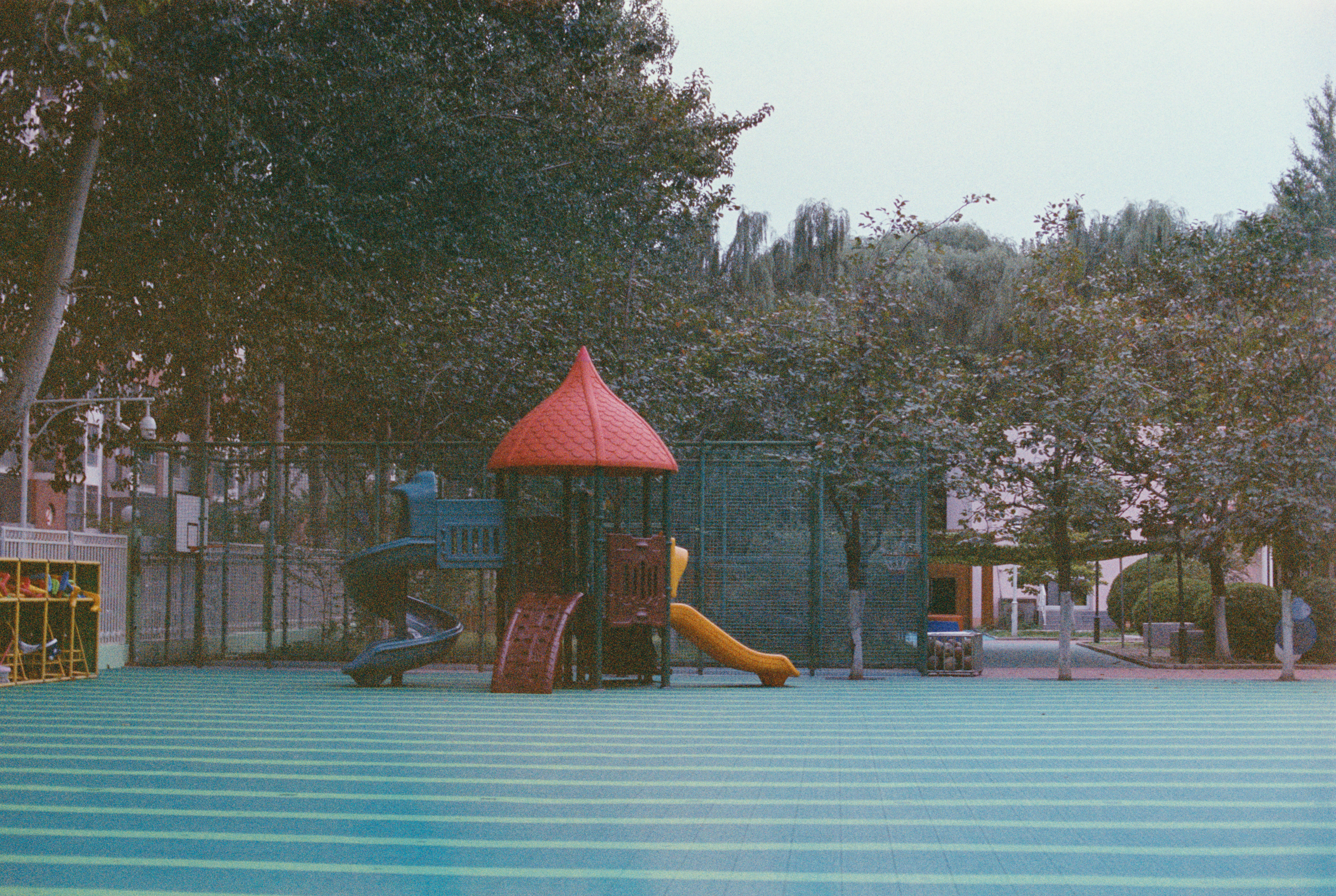
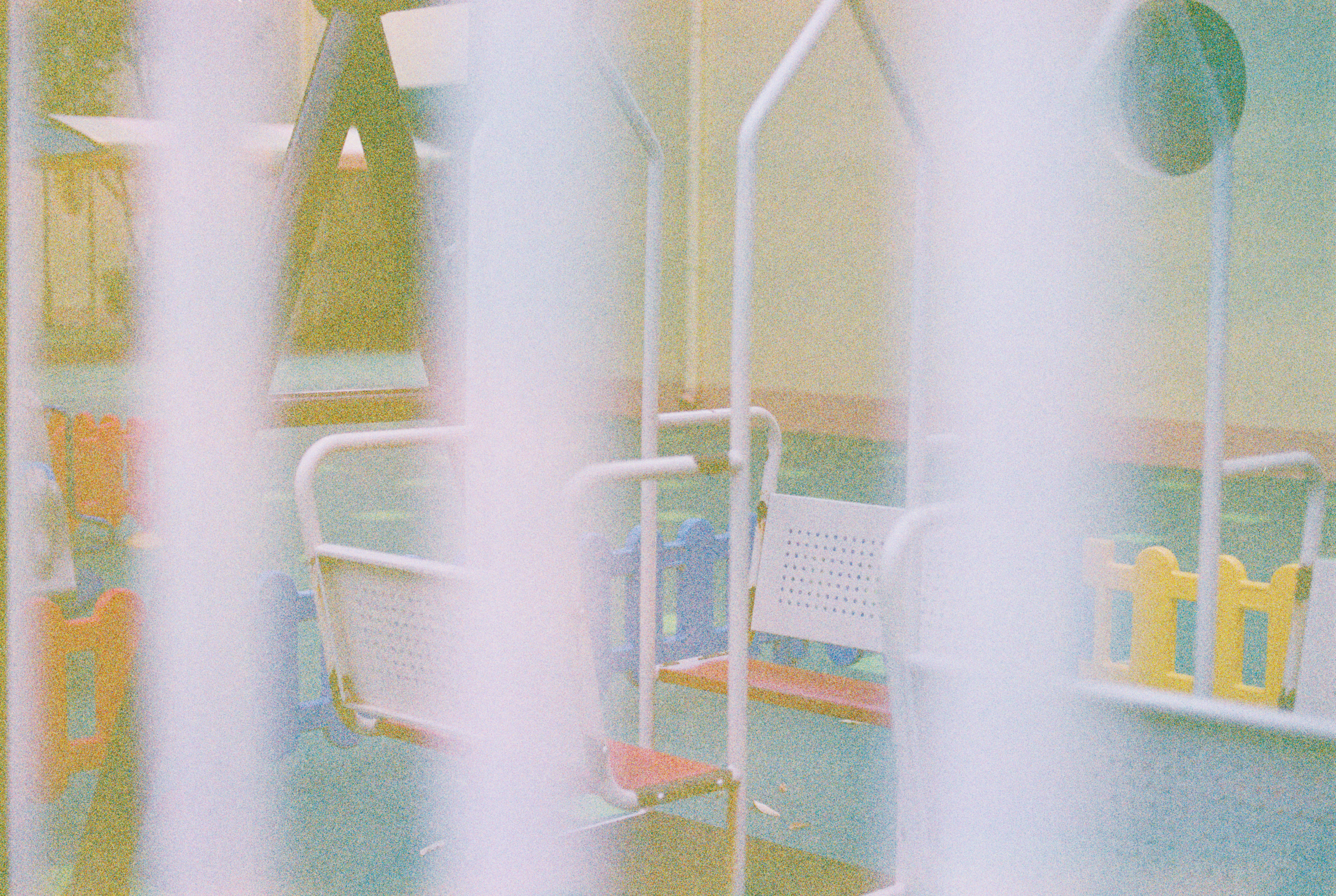
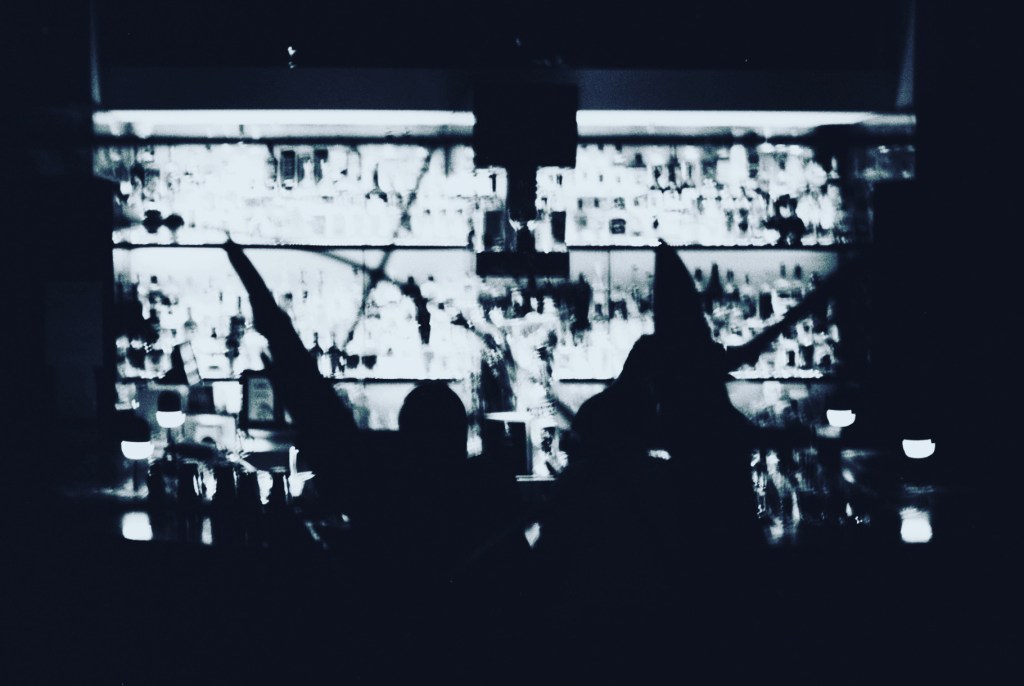
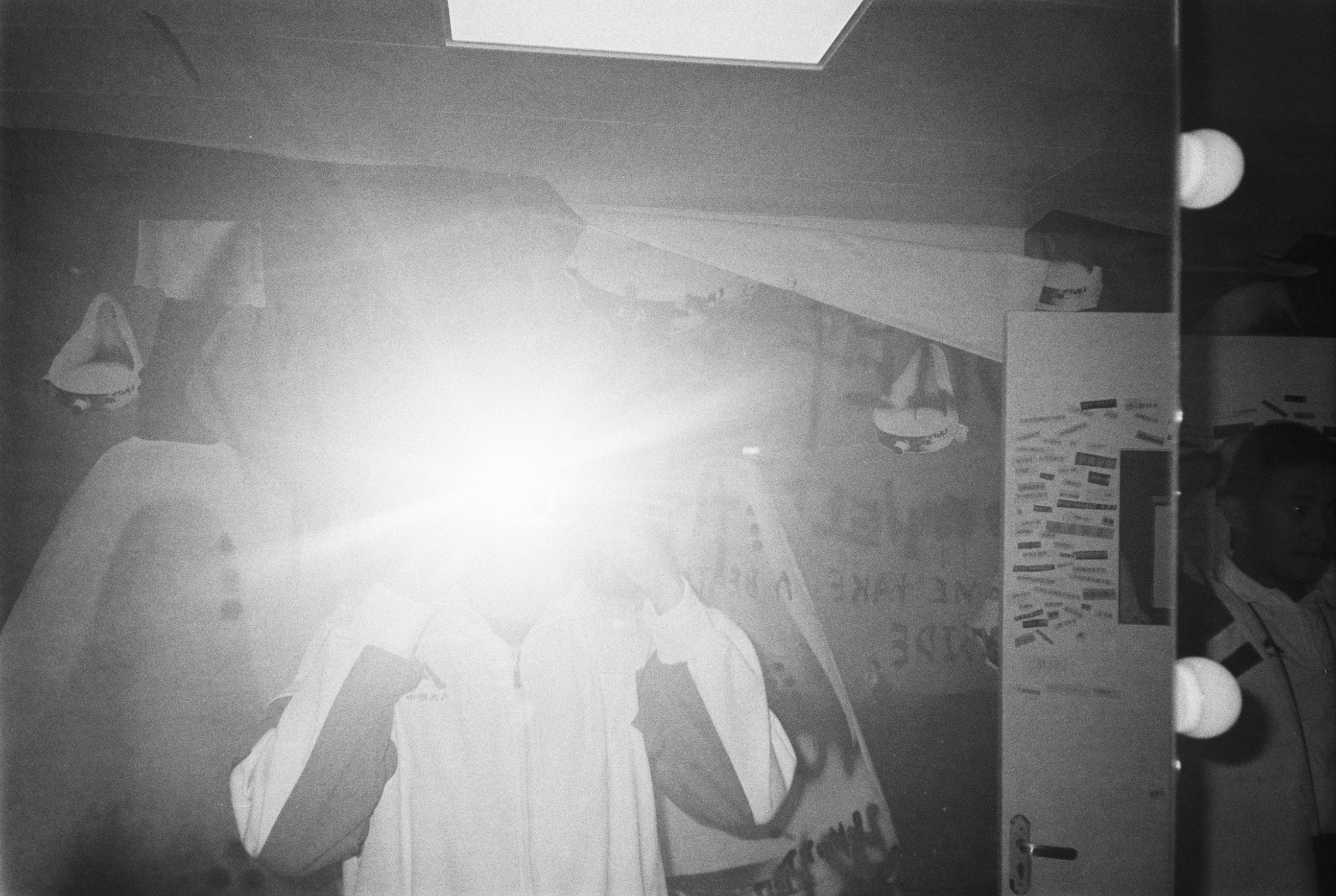
Hey guys! I just scanned some photos I shot with expired Reala 500D in 2021.





Hey guys, I just received a special email from Swarthmore College few minutes ago, and it looks like this:

In this post, I will simply demonstrate how to convert the binary values into English text through Python.
To begin with, at the beginning of the email, we can see there’s a space between two 8-bits binary numbers 01001000 and 01101001. 01001000 represent 72, which is the Ascii code of ’h’, and 01101001 represents 105, which is the Ascii code of ’i’. Thus, the rest of the email should be consisted of chars that are represented by 8-bits binary numbers as well.
So the first thing we need to do is write a Decoder that translates binary numbers to English:
def Decoder(binary_string):
	ascii_code = int('0b'+ binary_string, 2)	#Find the Ascii code
	result = chr(ascii_code)		#Find the char
	return result
After finishing up this part, we need another function to split up the continues 8-bits binary numbers in the content and translate each of them individually:
def BinaryTranslator(binary_text):
	total_number= len(binary_text)//8
	text = ''

	for count in range(total_number):
		text += Decoder(binary_text[count*8:(count+1)*8])
	return text
Caution: We use // instead of / in this situation. This is because / returns a float number, which could cause trouble in range function.
As we can see in this email, there are some letters that are represented through English letters. So I add a select structure here in order to let the program automatically returns the original text if it is already in English.
def BinaryTranslator(binary_text):
	if binary_text[0] != '0' and binary_text[0] != '1':
		return binary_text

	binary_count = len(binary_text)//8
	text = ''

	for count in range(binary_count):
		text += Decoder(binary_text[count*8:(count+1)*8])
	return text
In the end, we put the modules together:
def Decoder(binary_string):
	ascii_code = int('0b'+ binary_string, 2)	#Find denary value
	result = chr(ascii_code)		#Find the char
	return result

def BinaryTranslator(binary_text):
	if binary_text[0] != '0' and binary_text[0] != '1':
		return binary_text

	binary_count = len(binary_text)//8
	text = ''

	for count in range(binary_count):
		text += Decoder(binary_text[count*8:(count+1)*8])
	return text

original_text = ['0100100001101001', 'Jiarui','01000010011010010110111001100001011100100111100100100000011000110110111101100100011001010010000001101001011100110010000001100001001000000110011001110101011011100010000001110111011000010111100100100000011101000110111100100000011000110110111101101101011011010111010101101110011010010110001101100001011101000110010100101110', '01000010011101010111010000100000011010010111010000100111011100110010000001110100011011110111010101100111011010000010000001110100011011110010000001110010011001010110000101100100001011000010000001110011011011110010000001110111011001010010011101101100011011000010000001101011011001010110010101110000001000000111010001101000011010010111001100100000011000100111001001101001011001010110011000101110', '010101110110100101101100011011000010000001111001011011110111010100100000011000010111000001110000011011000111100100100000011101000110111100100000010100110111011101100001011100100111010001101000011011010110111101110010011001010011111100001010', 'Sincerely,','010101000110100001100101001000000111011001100001011100100110100101101111011101010111001100100000011100000110010101101111011100000110110001100101001000000110111101100110001000000111010001101000011001010010000001010011011101110110000101110010011101000110100001101101011011110111001001100101001000000100000101100100011011010110100101110011011100110110100101101111011011100111001100100000010011110110011001100110011010010110001101100101']

for text in original_text:
	print(BinaryTranslator(text))
If you run the program through Python IDE, you will get the message below:
Hi
Jiarui
Binary code is a fun way to communicate.
But it’s tough to read, so we’ll keep this brief.
Will you apply to Swarthmore?
Sincerely,
The various people of the Swarthmore Admissions Office




Hi there!
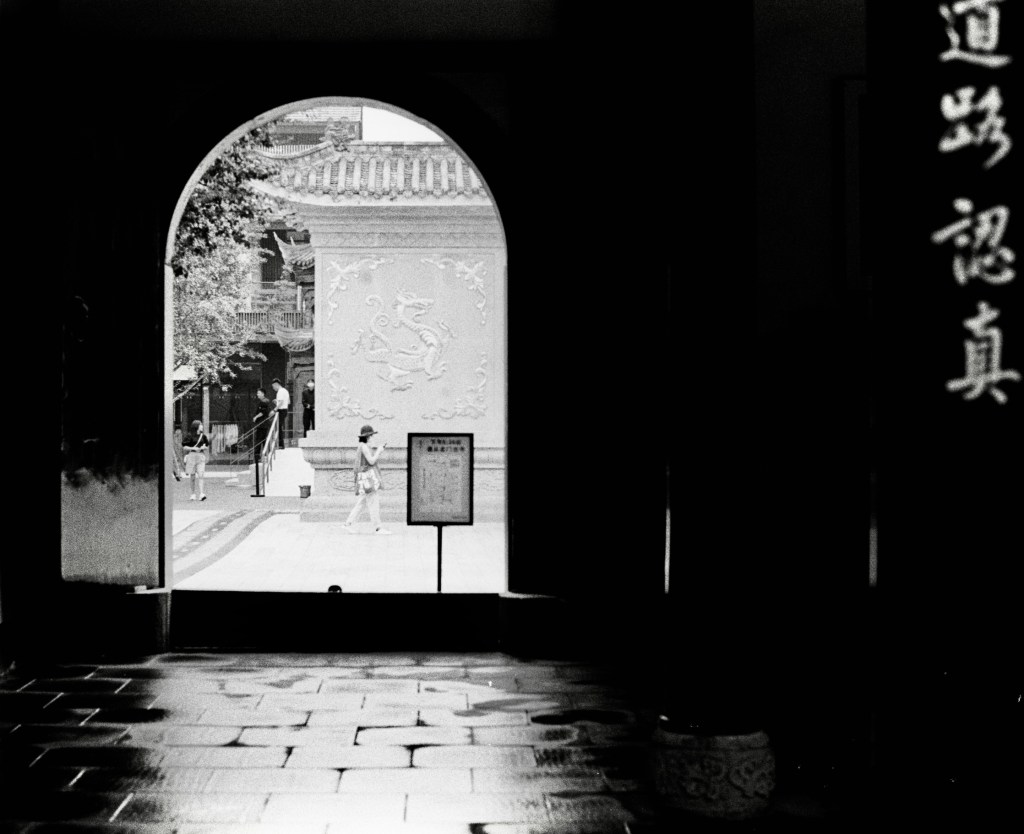
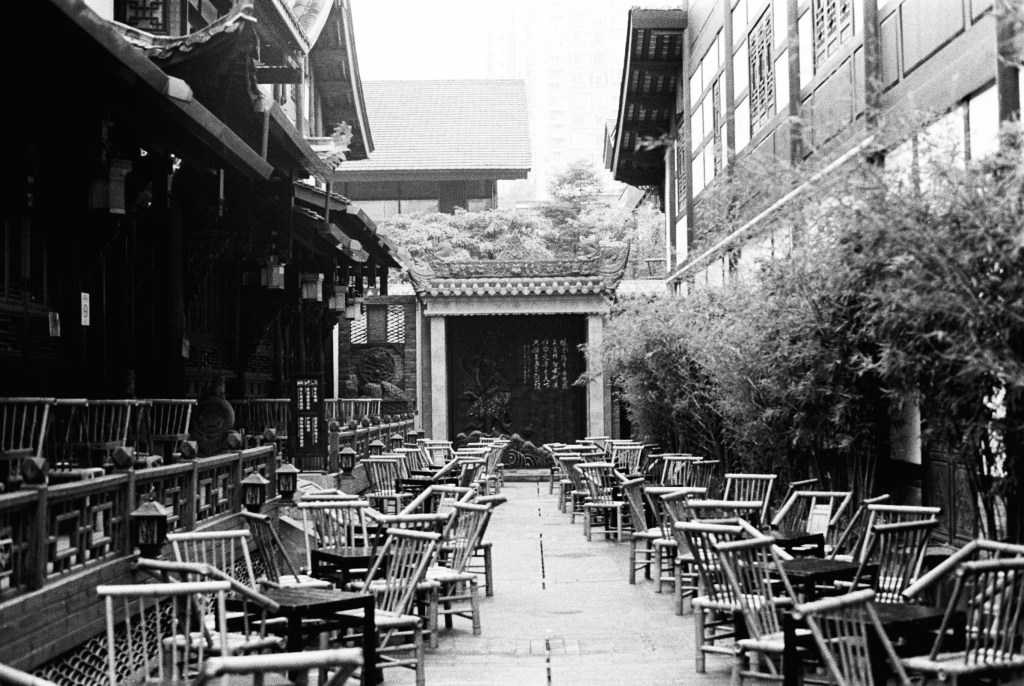
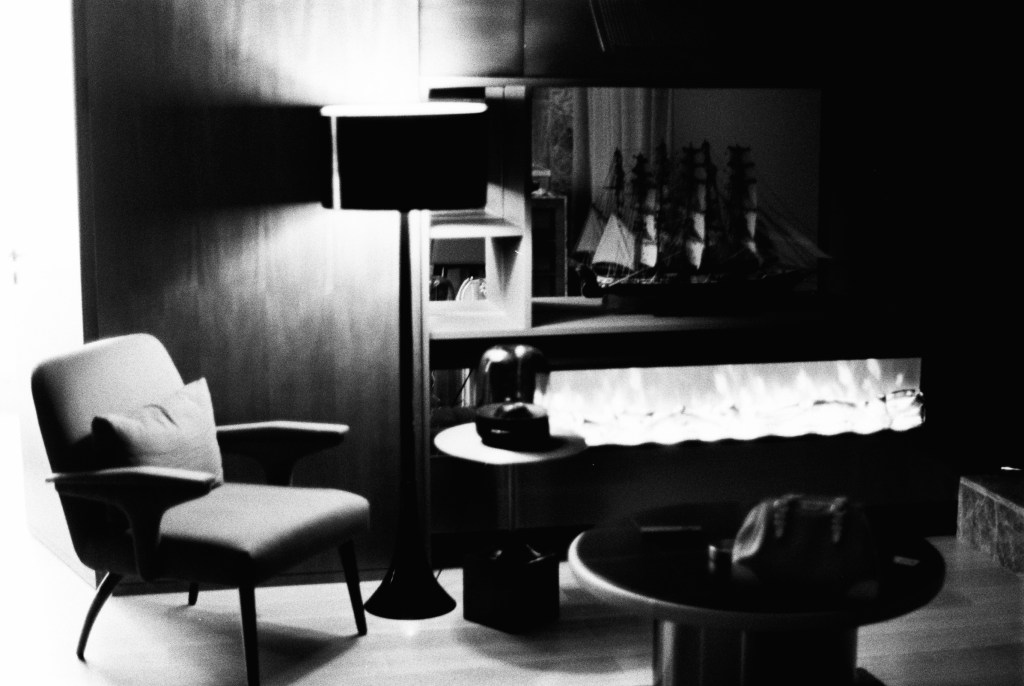
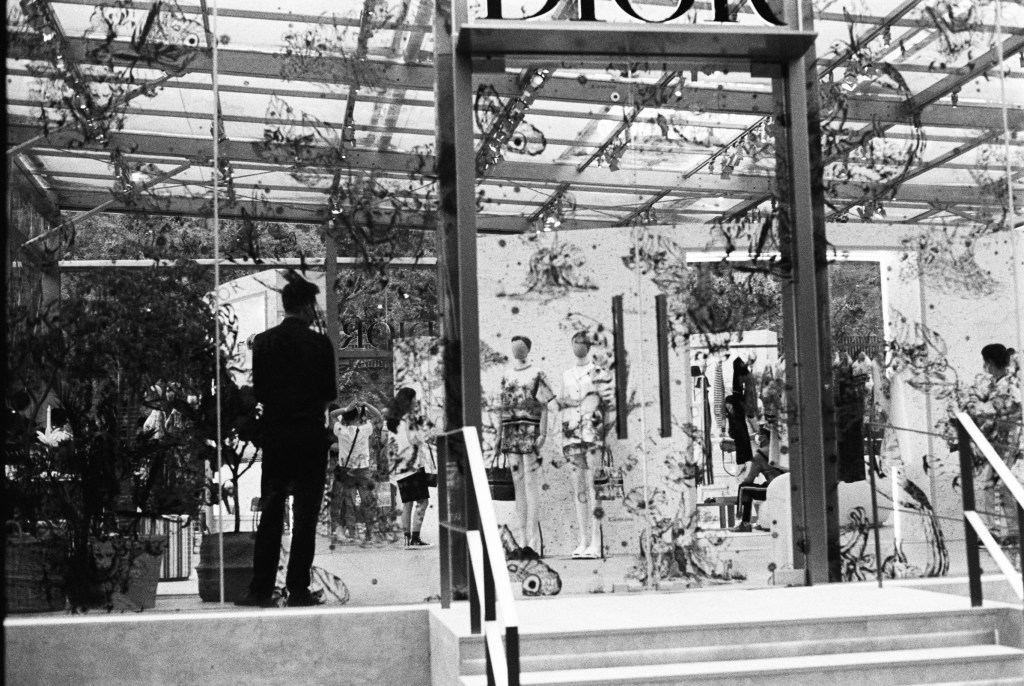
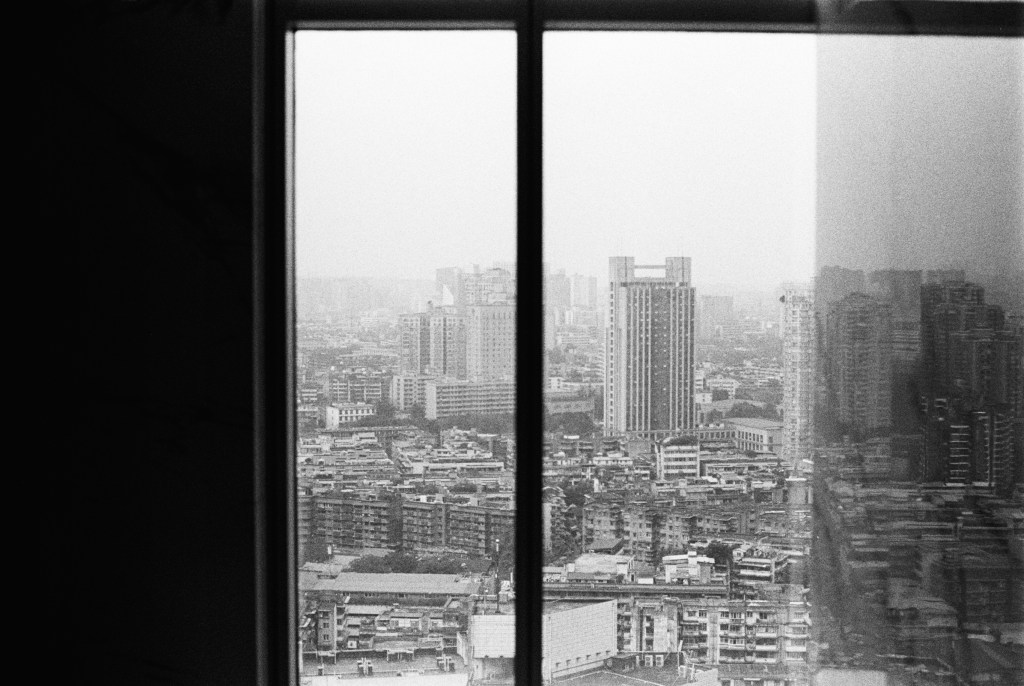
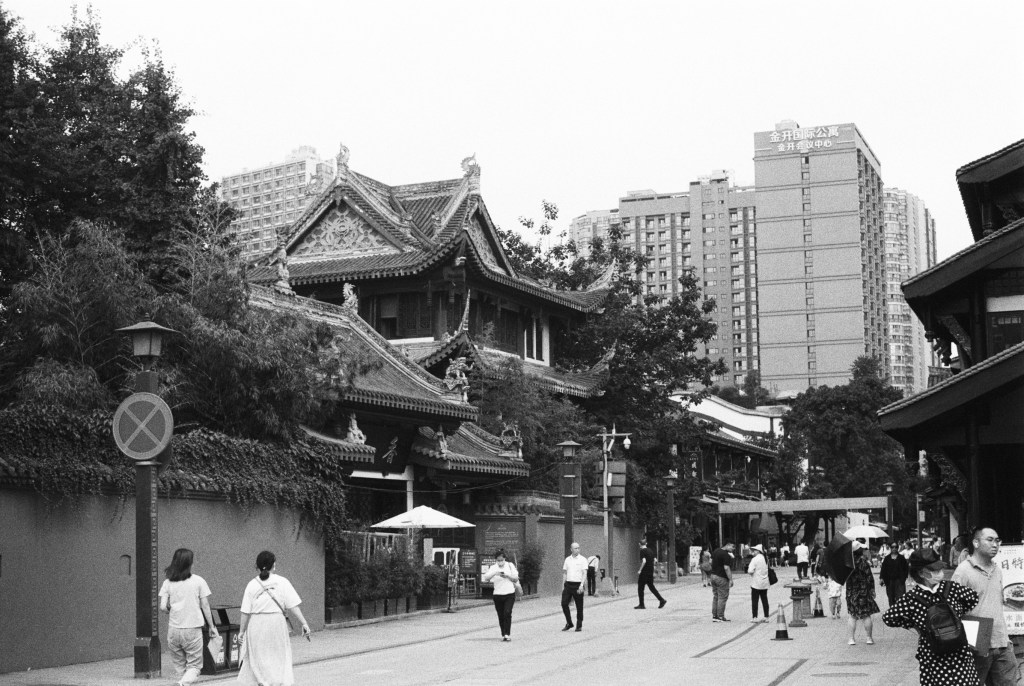
Here are some films I took during my trip to Chengdu. I have to say it is quite an interesting city.







 J. W.
J. W. 